
Note: This web version follows the adopted Executive Summary, with minor modifications to replace tables, figures, and maps with written summaries and hyperlinks. The full Boardman Parks Master Plan is attached.
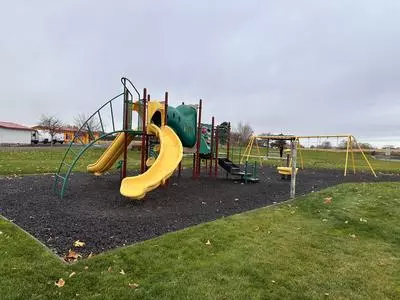
The Boardman Park Master Plan provides a long-term roadmap for parks, trails, open space, recreation facilities, and waterfront access across the City of Boardman and the Boardman Park & Recreation District. The Plan establishes shared goals, coordinates investment, and identifies systemwide and site-specific priorities through 2035. It responds to community needs, future growth, and the distinct roles of the City and District in providing recreation for residents, workers, and visitors.
Boardman’s parks and recreation system is at a pivotal moment. Rapid residential growth, a large commuter workforce, and shifting demographics are increasing demand for parks, trails, and recreation facilities. At the same time, the City and District have transitioned to separate management of their respective parks, making coordinated planning essential for a cohesive system.
The Plan also addresses several urgent systemwide needs:
- Modernizing parkland and trail dedication standards
- Improving accessibility and inclusion
- Updating maintenance and design practices
- Laying the groundwork for a future parks System Development Charge (SDC).
Many City parks lack formal dedication, and key District sites rely on long-term leases, reinforcing the need for stronger parkland protection. With major growth expected by 2035, this Plan provides a shared vision to guide investment, protect public space, improve access, and support high-quality recreation for future generations.
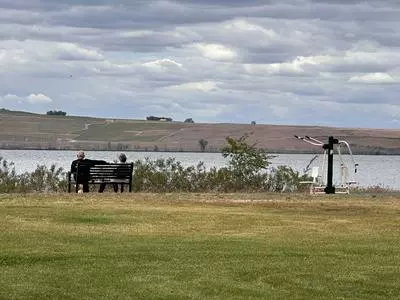
The master plan was shaped through a fifteen-month, community-driven process grounded in research, technical analysis, and extensive public engagement. The planning team completed a full system inventory, evaluated recreation trends, analyzed community demographics and workforce dynamics, and reviewed related City, District, and regional plans.
More than 470 engagement touchpoints informed the work, including bilingual outreach materials, two open houses with Spanish-language facilitation, culturally inclusive outreach, youth-friendly activities, five Public Advisory Committee meetings, two surveys, stakeholder interviews, and joint site visits with City and District staff. Youth perspectives were incorporated through classroom activities, family-focused stations, take-home activity books, and a high school focus group that inspired the Park Naming Competition and a future design activity for Zuzu Park, with a youth representative also serving on the PAC.
This broad, bilingual, and inclusive participation ensured the Master Plan reflects Boardman’s values, priorities, and vision for the future across cultures, age groups, and neighborhoods.
Visit the project page for more information.
Who Lives in Boardman
Boardman is a young, diverse, and rapidly growing community, with 5,749 residents in 2024. Families with children make up a large share of residents, contributing to high demand for parks, playgrounds, sports, and year-round recreation opportunities. A multicultural population—especially Boardman’s majority Latino community—shapes preferences for gathering spaces, family-oriented amenities, and culturally inclusive features such as bilingual signage and interpretation. Continued residential growth through 2035 will expand housing in River Ridge, Northeast Boardman, and other developing areas, increasing demand for community and neighborhood parks with safe pedestrian connections.
Who Works in Boardman
Boardman functions as a regional job center, supporting about 3,500 jobs, less than one in five held by residents. One-third of local residents commute elsewhere for work. The Port of Morrow and major employers bring a large and diverse workforce, including seasonal workers and rotating contract labor. This expanded weekday population increases demand for after-hours park access, lighting, connectivity, and flexible indoor and outdoor recreation options, especially for those seeking nearby activities after long shifts.
Who Visits Boardman
Boardman attracts visitors year-round for boating, camping, trail use, cultural destinations, events, and sports. The Marina, RV Park & Campground, Day Use Park, and the Columbia River Heritage Trail are regional draws. Hotels host a substantial number of temporary workers as well as leisure travelers, while sites such as the SAGE Center, Marker 40, and Veterans Park provide educational and recreational opportunities that complement the City and District system. Visitor activity reinforces the need for waterfront amenities, parking, trail connectivity, wayfinding, and restrooms that can support high seasonal use.
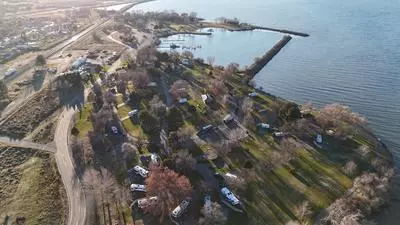
Boardman’s parks and recreation system is provided by three primary partners: the City of Boardman, the Boardman Park & Recreation District, and the Port of Morrow. Together, they create a connected network of neighborhood and community parks, waterfront areas, indoor recreation, trails, and visitor-serving amenities. City and District park, trail, and recreation assets, which are the focus of this Master Plan, are summarized below. Port facilities are not included in this summary but appear on the system map, along with other recreational facilities within the UGB to show how they support and complement local recreation. A map of recreational facilities within the Urban Growth Boundary is available here.
City of Boardman
The City provides neighborhood- and community-scale parks within the Urban Growth Boundary. The City oversees eleven park sites totaling 50.63 acres, along with trail assets. Less than one-third of the City's park acreage is developed, reflecting a small but growing system poised for significant expansion through 2035.
- Community Parks: Tatone Park (1.12 acres, developed), City Park (4.20 acres, developed), and Sunset Park (19.60 acres, undeveloped).
- Pocket Parks: Parque Los Niños (0.46 acres), and Meadowlark Park (0.72 acres), both currently maintained open space.
- Neighborhood Parks: Zuzu Park (1.06 acres, maintained open space)
- Special Use: Four developed Wayside Parks, including Eastbound (SE) (0.31 acres), Eastbound (SW) (0.32 acres), Westbound (NE) (0.35 acres), and Westbound (NW) (0.33 acres).
- Linear Park: Parque Cultural–Power Trail Park (W/E of Main St.) with 7.41 acres developed and 14.74 acres undeveloped.
- Trails: The City also manages 0.17 miles of off-street trail and a 5.6-mile shared roadway segment of the Columbia River Heritage Trail.
- System Totals: 14.05 acres of developed parkland, 34.34 acres of undeveloped parkland, 2.23 acres of maintained open space, and 50.63 total acres, with 0.17 miles of off-street trails.
Boardman Park & Recreation District
The District is a special service district with dedicated taxing authority. It manages Boardman’s three major waterfront parks, Sailboard Beach Disc Golf Course, the RV Park & Campground, the Boardman Pool & Recreation Center, and the primary off-street multi-use trail along the riverfront. All of the waterfront sites are on leased land, while the Recreation Center is the District’s only owned property. The District’s system is larger and more developed than the City’s and serves as Boardman’s primary destination-scale recreation provider.
- Community Parks: Day Use Park (25.11 acres developed and 8.04 acres undeveloped), Marina Park (26.21 acres, developed), and Sailboard Beach (4.02 acres, developed).
- Special Use: Sailboard Beach Disc Golf Course (32.99 acres developed and 1.60 acres undeveloped), RV Park & Campground (28.21 acres, developed), and Boardman Pool & Recreation Center (6.27 acres, developed).
- Trails: 2.19 miles of off-street trails.
- System Totals: 88.33 acres developed, 9.65 acres undeveloped, 34.48 acres of special use recreation areas, and 132.46 total acres.
Port of Morrow
The Port also contributes important recreation assets, including Veterans Park, the SAGE Center playground, and Marker 40 Park. Although not part of this planning effort, these sites appear on the system map to show how they enhance riverfront access, cultural interpretation, and tourism.
Broader Recreation System
Additional recreation opportunities are provided by local schools, regional public lands, community organizations and privately owned sites. These partners offer sports fields, indoor space, playgrounds, natural areas, and cultural destinations that complement City and District facilities and help define Boardman’s wider recreation landscape.
Community-Identified Needs
Community input, trends analysis, and system conditions together revealed the following systemwide needs.
Park Maintenance & Safety
Residents want cleaner, safer parks with consistent upkeep—priority needs include improved restroom and pavilion cleanliness, geese and pet-waste management, better turf and court maintenance, regular trail repairs, vegetation management for safety and wildfire risk, upgraded amenities, clear rule signage, targeted lighting, and protective fencing near streets and water.
Cultural Identity, Art, Interpretation & Storytelling
Community members want parks that reflect Boardman’s diverse culture and history through enhanced Indigenous and Old Boardman interpretation, community-driven public art, cultural events, Story Walk partnerships, and environmental education features like demonstration gardens and habitat signage.
Accessibility and Inclusion
Residents emphasized ADA access, continuous barrier-free routes, accessible water access, universal design in play areas and furnishings, culturally inclusive bilingual signage, multi-generational spaces, and affordable participation options for households with limited mobility, income, or transportation.
Access & Connectivity
Top priorities include safer routes to parks, sidewalk infill, lighting, improved crossings (I-84, rail, and truck corridors), expanded neighborhood parks in underserved areas, a connected looped trail system with long-distance options, upgraded trail surfacing, and multilingual wayfinding to link parks, schools, community destinations and the waterfront.
Shade, Comfort, and Climate Adaptation
Residents seek more shaded gathering areas, tree canopy and windbreaks, misting stations, drinking fountains, and native landscaping that improves comfort and resilience in Boardman’s hot, windy climate.
Events, Gathering Spaces, and Community Use
Demand is strong for more shelters and reservable pavilions, a large amphitheater-style venue, durable and well-equipped gathering areas with seating, water, power, and Wi-Fi, clear reservation systems, and expanded community programming and festivals.
Indoor Recreation
Residents want expanded indoor capacity—including flexible multi-use courts, Recreation Center expansion and extended hours, youth and teen spaces, affordable programs, and better activation of underused indoor facilities like the Field House.
Youth, Play, and Family Amenities
Families want upgraded and inclusive playgrounds, toddler zones, destination play areas with shade, expanded water play, nature-based and sensory features, youth amenities (e.g. skatepark, bike skills, pump track, sand volleyball), outdoor fitness areas, and age-friendly spaces for older adults.
Active Waterfront Access
Priorities include expanded and accessible water entry points, ADA-compliant dock and fishing platform, scenic walkways and art, shaded riverfront gathering areas, shoreline stabilization, low-cost equipment rentals, and better pedestrian connections to waterfront parks.
Sports and Active Recreation
Residents strongly support more soccer fields, improved baseball/softball amenities, expanded court options (basketball, tennis, pickleball, sand volleyball), regular field maintenance, and development of a multi-sport complex with family amenities and tournament-ready facilities.
Recreation Participation Trends
Recreation participation patterns across Oregon, both statewide and in Eastern Oregon, closely mirror local preferences in Boardman. Walking and trail use remain the most popular activities statewide, reinforcing the need for improved trail mileage, safe crossings, and stronger neighborhood connectivity. Water-based recreation—swimming, fishing, boating, and beach use—is also in high demand regionally, placing Boardman’s Columbia River frontage at the center of local and visitor interest. Camping, shaded day-use areas, and upgraded restrooms continue to be heavily used across the region, with Boardman’s campground frequently operating at or near capacity.
Growing interest in cultural festivals, agritourism, birdwatching, and nature-based experiences aligns well with Boardman’s agricultural heritage and riverfront setting. New travel patterns—such as remote-work stays, combined business-leisure trips, and sports tourism—also highlight opportunities for flexible event spaces, multipurpose fields, and indoor year-round facilities. At the same time, Boardman must serve a large weekday service population of in-commuting and temporary workers, creating evening and after-hours demand for recreation facilities.
Level of Service, Access & Facility Condition
Level of Service (LOS) evaluates how well parks meet community needs based on acreage, facility supply, access, quality, and equity. Because Boardman serves far more than its residential population, LOS is based on a weighted weekday service population that includes residents, in-commuting workers, temporary workforce lodging, and hotel/RV guests. This provides a realistic picture of daily demand. Boardman’s weighted service population is 6,890 in 2024, increasing to 10,450 by 2035. The City’s LOS target is 15 acres per 1,000 weighted population.
Parkland Supply
Within the UGB, Boardman has 112 acres of developed public parkland, including Port of Morrow-owned recreation sites (9.6 acres), equal to 16.3 acres per 1,000 weighted population (or 19.5 acres per 1,000 residents), within the NRPA benchmark range of 12.9–22.0 acres/1,000. When including maintained open greenspace and undeveloped parkland, the broader system totals 158 acres, providing a strong land base for development.
Outdoor Facilities
Benchmarks show key strengths—dog park, splash pad, disc golf, and playground quantity—and clear deficiencies. Boardman lacks soccer fields, tennis/pickleball courts, a skatepark, and trail mileage (2.36 miles) is below peer benchmarks (4-10 miles). Youth serving options and play quality is a need (more inclusive, diverse, toddler-friendly) and camping and systemwide amenities (restrooms, shade, group gathering) remain undersupplied.
Indoor Facilities
The Recreation Center exceeds NRPA benchmarks for aquatics and indoor court space but still experiences scheduling constraints due to shared uses. Other indoor recreation types not typical of small cities (e.g., walking tracks, racquet courts) are absent, and school facilities offer limited shared access.
Access & Connectivity
LOS mapping identifies major access gaps in south and northeast Boardman, areas with denser and lower-income neighborhoods. Connectivity is further constrained by I-84, the railroad, truck routes, and sidewalk gaps—factors that limit safe walking and biking to parks.
Quality & Condition
Field observations and community feedback highlight deferred maintenance, aging restrooms and furnishings, limited shade and wind protection, and very limited ADA access. Collectively, these issues reduce overall usability, equity, and comfort even where basic acreage benchmarks are met.
Planning Targets for Park System
This Master Plan establishes the following targets to guide parkland acquisition, development, and investment through 2035, addressing identified system gaps and aligning with national, state, and peer benchmarks.
- Parkland LOS: Maintain at least 15 acres of developed parkland per 1,000 weighted service population (~18 acres per 1,000 residents under current conditions).
- Access: Strive that all residents live within a 10-minute walk of a developed park. Close gaps in northeast and south Boardman. Improve crossings of I-84, the railroad, and truck corridors.
- Trail Expansion: Expand trail network to 4–10 miles, creating looped connections between neighborhoods, schools, civic spaces, and river.
- Quality & Maintenance: Meet baseline safety, ADA, and design standards by 2035. Establish consistent maintenance practices.
- Amenity Diversity: Add soccer and diamond fields, a skatepark, toddler and inclusive play areas, shade, restrooms, and other comfort amenities to provide a balanced mix for all ages.
- Indoor Facilities & Shared Use: Expand the Recreation Center and strengthen shared use agreements with the Field House and schools to broaden community access.
- Inclusive Design: Ensure parks are welcoming and accessible across languages, cultures, abilities, ages, and income levels.
- Camping & Workforce Housing: Expand camping to meet seasonal workforce and visitor demand.
Vision
Boardman’s parks and recreation system will provide vibrant, accessible, and well-maintained spaces that enhance quality of life, foster community connections, and celebrate the city’s unique cultural and natural assets. Through thoughtful planning and sustainable investments, our parks will serve as welcoming destinations for recreation, health and economic growth, ensuring that all residents and visitors- regardless of age, ability, or background- have opportunities to explore, play, and thrive.
Goals & Objectives
The plan establishes clear goals to ensure parks keep pace with growth and community needs. They include:
Goal 1: Create an Inclusive, Accessible & Equitable Park System
Ensure all residents, regardless of age, ability, background or income, have equitable access to safe, well-maintained parks and recreational opportunities.
Goal 2: Enhance Recreation & Active Lifestyles
Expand diverse, year-round recreational opportunities that support physical activity, wellness, and enjoyment for all ages.
Goal 3: Strengthen Community Engagement and Partnerships
Build strong relationships with residents, organizations, and businesses to support parks and recreation.
Goal 4: Support Economic Growth, Tourism & Workforce Development
Leverage parks to strengthen Boardman’s economy, attract visitors, and create workforce development opportunities.
Goal 5: Improve Park Infrastructure, Safety and Connectivity
Ensure well-maintained, safe, and connected parks by investing in infrastructure and accessibility improvements.
Goal 6: Ensure Fiscal Responsibility & Long-term Sustainability
Maintain a financially sustainable park system by securing diverse funding sources and prioritizing cost-effective investments.
Goal 7: Preserve Boardman’s History, Cultural & Community Identity:
Integrate historical, cultural, and community elements into parks and programming to celebrate Boardman’s identity.
The Plan includes several systemwide initiatives that establish consistent standards, guide long-term investment, and support coordinated planning between the City and District. Key initiatives include:
- Expanding and connecting the trail network through a Trail Master Plan, improving safety, neighborhood access, and waterfront connectivity.
- Integrating public art, cultural interpretation, and storytelling through a Public Art and Cultural Identity Master Plan to reflect Boardman’s heritage, diversity, and community identity.
- Improving navigation, accessibility, bilingual communication, and park identity with a unified Wayfinding and Signage System.
- Creating consistent standards for benches, tables, trash receptacles, shade structures, and other amenities through a Park Furnishing Standards Study to improve comfort, durability, and maintenance efficiency.
- Identifying dedicated sites for high-demand recreation amenities through Future Amenities Requiring Siting, including a bike skills park, pump track, skatepark, pickleball courts, and additional soccer and diamond fields, with siting confirmed through future planning and community input.
The Park Planning Checklist ensures future park improvements and acquisitions follow shared standards for quality, accessibility, and long-term maintenance. It provides guidance for:
- Play Areas
- Park Furnishings & Site Amenities
- Access & Inclusion
- Infrastructure for Events & Daily Use
- Shade, Cooling & Climate Comfort
- Sports & Active Recreation
- Safety, Lighting & After-Hours Use
- Indoor Recreation Facility Evaluation
- Parkland Acquisition and Development
These components provide a clear framework to support equitable, resilient, and community-aligned park design moving forward.
City of Boardman
City park recommendations emphasize expanding neighborhood access, upgrading existing facilities, improving comfort and inclusivity, and preparing newly acquired or undeveloped lands for future use. Key themes include:
- Enhancing City Park and Tatone Park with upgraded play areas, shade, ADA access, seating, and improved internal circulation. City Park will also receive a splash pad.
- Developing Sunset Park as a major future community park with multi-sport fields, playgrounds, shaded gathering areas, trails, and a looping paths as funding becomes available.
- Improving neighborhood-scale parks—including Zuzu Park, Meadowlark Park, and Parque Los Niños—with safe access, signage, shade, sports courts/fields and age-friendly play features.
- Strengthening the Parque Cultural - Power Trail Park corridor by acquiring land or securing easements to complete the corridor and adding wayfinding, interpretive elements, lighting, furnishings, rest stops and vegetation management protocols.
- Upgrading the Wayside Parks with improved landscaping, furnishings, signage, parking, and accessibility, coordinated with adjacent street improvements to better serve travelers.
- Planning for future parks in River Ridge Subdivision and Northeast Boardman, guided by improved dedication standards and policy updates referenced in this Plan.
These recommendations help ensure City parks grow alongside new housing and provide walkable, high-quality recreation opportunities across all neighborhoods.
Boardman Park & Recreation District
District recommendations focus on strengthening Boardman’s waterfront, enhancing camping capacity, improving shoreline access, and expanding indoor and outdoor recreation offerings. Key themes include:
- Transforming Day Use Park with improved water access, shoreline stabilization at Hidden Gem Beach, new shelters, accessible beach access and boat launch, enhanced play areas including a new toddler play area, upgraded restrooms, enhanced cultural interpretation and site maintenance priorities.
- Improving Marina Park with an ADA fishing pier, reconfigured docks, extended waterfront trail, skatepark development, upgraded parking area and new boat storage building for public safety vessels and rentals.
- Expanding and modernizing the RV Park & Campground with two new zones, upgrading/adding restrooms and showers, laundry facilities, ADA retrofits, dog park, pump track and a rental shop, remodel District Offices with a second story addition.
- Enhancing Sailboard Beach with accessible restrooms, shaded picnic tables, improved parking, and enhanced shoreline access.
- Upgrading the Sailboard Beach Disc Golf Course with benches, and layout adjustments to accommodate campground expansion.
- Advancing the long-term expansion of the Boardman Pool & Recreation Center, including master planning for tiered north parking, weight room expansion, aerobics room addition, an enlarged party room, and a relocated rock climbing wall.
- Improving connectivity and amenities along the Heritage Trail Spur, including infill of gaps, new rest areas, vegetation management, and new interpretive features.
Together, these improvements strengthen the District’s waterfront identity, support tourism and workforce needs, and enhance recreation opportunities for residents.
Because community needs exceed available resources, the Master Plan includes a clear framework for prioritizing and phasing projects across the park system. Projects are categorized as High, Medium, or Low priority, which generally align with near-, mid-, and long-term implementation.
Project ranking reflects multiple factors, including community input, Level of Service findings, safety and ADA compliance, feasibility and site readiness, cost and community benefit, partnership opportunities, and long-term sustainability. Staff and the Public Advisory Committee applied this framework to develop a draft list, which was refined based on public input throughout the planning process.
This prioritization structure forms the basis of the Capital Improvement Plan (CIP). The CIP identifies systemwide, City, and District projects; each entry lists the site, project type—(S) System improvement, (P) Park Improvement, (D) Park Development, or (A) Acquisition—along with a description, cost, and priority level, establishes a logical sequence for investment; and positions the City and District to pursue grants, partnerships, and other funding opportunities. The full Capital Improvement Plan is available here.
As the City and District prepare for significant system growth through 2035, strengthening operations and maintenance is essential to ensure parks remain clean, safe, and reliable. Today, staffing levels are close to national medians, but projected park and facility expansion will require additional capacity, upgraded equipment, and more consistent systems.
Both agencies have strong foundations—resourceful staffing models, bilingual service delivery, partnerships with schools, community organizations and employers, contracted maintenance support, and growing sustainability practices—but they also face challenges such as reactive maintenance, inconsistent standards, limited cost tracking, and environmental pressures like wind, dust, invasive weeds, and shoreline erosion.
NRPA benchmarks show that Boardman will need more staff and higher per-capita operating investment over the next decade to keep pace with its expanding system. To build long-term resilience, the Plan recommends:
- Implementing proactive maintenance systems (work-order tracking, inspections, Standard Operating Procedures (SOPs)).
- Expanding staffing and equipment in line with system growth.
- Improving agreements, risk management, and cost accounting.
- Integrating climate-resilient, low-maintenance design into all new projects.
- Strengthening partnerships and community stewardship to extend capacity.
These steps will help ensure that Boardman’s growing parks and recreation system remains safe, equitable, and well-maintained—and that future investments can be sustained over time.
This Master Plan includes several major policy updates that give the City and District the tools needed to protect parkland, secure future sites, strengthen recreation access, and support long-term system sustainability.
Modernized Parkland Dedication Standards
Updated dedication standards ensure that new development contributes usable, well-located parkland aligned with Boardman’s Level of Service (LOS) target of 15 acres of developed parkland per 1,000 weighted service population. Policies emphasize land dedication first, fee-in-lieu only when sites are unsuitable, and clear minimum standards for visibility, access, usability, and site size. A new Parkland and Trail Acquisition Fund will allow the City to pool in-lieu fees and strategically assemble larger, more functional park sites.
Trail Corridor Dedication and Construction
To build a connected trail system as development occurs, new standards require developers to dedicate and, when feasible, construct trail segments along mapped corridors—beginning with the Parque Cultural - Power Trail Park corridor alignment and expanding citywide through the Trails Master Plan. These standards prevent future gaps, improve walkability, and ensure high-quality, consistent trail design.
Permanent Parkland Protection
Strengthened parkland protection tools—including formal dedication, recreation easements, deed restrictions, and Park/Open Space zoning—to ensure that existing and future parks remain permanently protected for public use. An audit of all park sites and a future Park Advisory Board will help safeguard assets and provide oversight as Boardman grows.
Parks System Development Charges (SDCs)
The Plan establishes the foundation for a Parks SDC program so that new development helps fund the amenities and additional acreage needed to meet LOS goals. Dedication secures the land; SDCs provide the improvements—playgrounds, shelters, trails, and expanded indoor and waterfront facilities. A methodology study will determine eligible projects, fee structure, and crediting policies.
Sustainable and Climate-Resilient Standards
Sustainability policies call for drought-tolerant landscaping, shade structures, durable materials, and green infrastructure to improve comfort, reduce long-term maintenance, and ensure parks remain usable in Boardman’s hot, windy climate. A Sustainable Park Design Manual will guide all future projects.
Micro-Mobility and E-Bike Policy
New micro-mobility standards support safe, predictable use of e-bikes and similar devices on trails and shared-use paths. Policies include permitted device types, design standards for mixed-use trails, consistent signage, and coordination with regional partners to align rules across connected trail systems.
Agreements and Risk Management
Clear agreements and consistent construction standards are essential for Boardman’s mix of City-owned, District-managed, leased, and privately developed sites. Policies prioritize securing permanent access, formalizing HOA and developer agreements, clarifying maintenance responsibilities, and adopting trail and park construction standards that reduce liability and improve long-term safety.
System Growth Through 2035
As shown in the Projected Growth by 2035 snapshot, the scale of planned improvements is transformative. By 2035, the City’s developed park acreage will more than triple, the District’s waterfront and campground network will expand dramatically, and both providers will add new amenities, improve trail connectivity, and invest in upgraded facilities across the system.
Successes by 2035
By 2035, planned investments will achieve several important system-wide outcomes:
- Developed parkland (City + District + Port) across the system reaches 154.7 acres of developed parkland (about 14.8 acres per 1,000 weighted service population, meeting NRPA benchmarks and just below the local LOS target. With two additional neighborhood park dedications in Northeast Boardman and Pájaro Azul Park, the City is expected to meet the target.
- City-developed park acreage more than triples, supported by new community and neighborhood parks, trail corridors, and major upgrades to existing sites.
- New parks in River Ridge, Sunset Park, Northeast Boardman, and other growth areas significantly improve walkable access and reduce service gaps. A proposed Level of Service map showing future multi-provider park access and walkability is available here.
- Recreation amenities diversify, including a new splash pad, bike skills park, skatepark, expanded toddler play areas, improved boat launches, upgraded docks, and a new waterfront rental facility and secure emergency-services boat storage and rental facility.
- Waterfront access is strengthened with an ADA fishing pier, accessible boat launch, shoreline stabilization, and improved riverfront pathways.
- Trail mileage expands to 5.3 miles, closing key waterfront gaps and improving connectivity between parks and neighborhoods.
- Campground capacity nearly doubles, adding new zones, restrooms, showers, laundry facilities, and upgraded RV/tent sites to better serve residents, visitors, and seasonal workers.
- Accessibility improves system-wide, with ADA-compliant restrooms and showers, water access improvements, inclusive play features, upgraded pathways, and ADA retrofits to campsites.
- Climate-adaptive and resilient design are strengthened, with expanded shade, drought-tolerant landscaping, improved irrigation, durable materials, and wind protection that enhance comfort and reduce maintenance needs.
- Park furnishings and amenities are standardized and upgraded, improving user comfort and long-term maintenance efficiency.
- Local identity and interpretation are expanded, with improved signage, updated displays, and new opportunities to highlight local culture, Indigenous history and community heritage.
- Policy frameworks are modernized, including updated parkland and trail dedication standards, strengthened park protection, clearer design and quality requirements, and groundwork for a future parks SDC program.
Projected Growth by 2035
City of Boardman
- Developed Acreage: 20.5 → 73
- Trails: 0.17 mi → 2 mi
- Restrooms: 3 → 4
- Playgrounds: 2 → 6
- Basketball Court: 2 → 2
- Volleyball Court: 0 → 1
- Multisports Court: 0 → 1
- Diamond Fields: 2 → 5
- Soccer Fields: 0 → 2
- Bike Skills Park: 0 → 1
- Park Furnishings: Significant additions across multiple sites
- Dog Park: 1 → 1
BPRD
- Developed Park Acreage: 88.3 → 77.6
- Other Recreation Assets: 34.5 → 54.9
- Trails: 2.2 mi → 3.3 miles
- Campground: 73 sites → 137 sites; 1 zone → 3 zones
- Restrooms/Showers: 2 → 5
- Playgrounds: 2 → 2 (one expanded with a toddler area)
- Volleyball Court: 1 → 1
- Multisports Court: 1 → 1
- Skatepark: 0 → 1
- Disc Golf: 1 → 1
- Dog Park: 0 → 1
- Docks: 3 → 2 with reconfigured/expanded system to increase capacity
- Fishing Pier: 0 → 1 new ADA-accessible pier
- Boat Launch: 1 → 2 including new accessible launch
- Boat Storage: 0 → 1 secure storage building
- Park Furnishings: System replacements; small additions across multiple sites
- Recreation Center: Expansion
Remaining Deficiencies
Even with substantial growth across both providers, several critical needs will remain beyond the 10-year horizon:
- Trail mileage remains at the low end of recommended 4–10 mile peer benchmark, particularly for fully off-street, multi-use paths and safe crossings of major barriers.
- Soccer fields remain the most significant unmet need, with demand exceeding supply even after the two planned fields at Sunset Park; full delivery depends on Sunset Park phasing and may extend beyond the 10-year horizon.
- Diamond field benchmarks may not be met within the planning period, as improvements also depend on Sunset Park development and funding.
- Indoor recreation space remains insufficient, even with planning for Recreation Center expansion, as limited court space and flexible rooms continue to create scheduling conflicts.
- Camping capacity remains strained by seasonal workforce housing and tourism, even with significant campground expansion.
- Youth recreation needs continue to grow, requiring additional investment in flexible indoor space, age-appropriate park amenities and year-round programming.
- Walkable park access gaps persist in south and northeast Boardman, particularly in multifamily, RV Park and manufactured-housing areas, where additional community-scale parks and new land acquisition will be required to fully address equity needs.
Moving Forward
The Boardman Park Master Plan provides a coordinated roadmap to expand access, address system gaps, celebrate cultural identity, and guide thoughtful investment. By aligning efforts across two providers—and recognizing complementary contributions from the Port of Morrow—the plan strengthens the foundation for a safe, inclusive, and resilient park system that grows with the community.